Soil, slabs and movement in Werribee VIC
Werribee lies on the volcanic plains west of Melbourne, where basalt is covered by clay soils that are often reactive. AS 2870 classifies each lot from its own soil test, and the slab is designed for that class, so the soil report for your lot is the document that matters.




Reactive clay swells when wet and shrinks when dry, and the slab is designed to cope with that within limits.
Water pooling against a wall makes the clay under that edge move more than the rest.
Paving that falls toward the house is the most common movement trigger we see on older homes.
A dip of about 30mm across a slab, like the one we measured in an older home in Melbourne's west, needs an engineer's view.
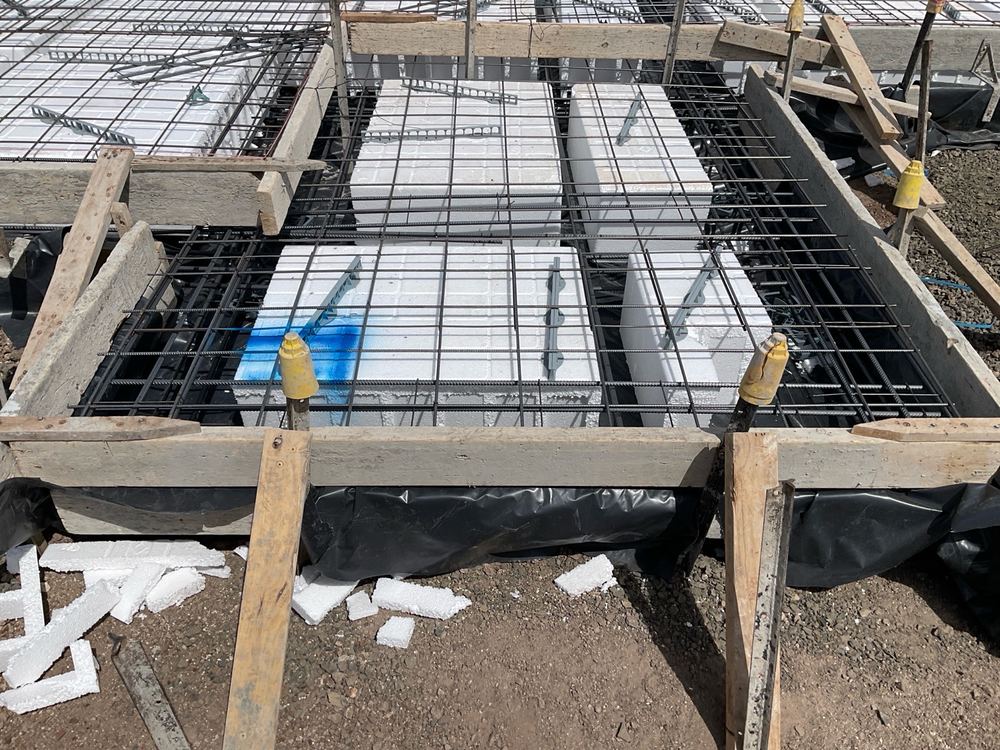
On a new build, internal beam width and steel are what let the slab handle movement.
More about Werribee
- Building a new home in Werribee VIC
- Buying an established home in Werribee VIC
- Growth and development in Werribee VIC
- Permits, council and building disputes in Werribee VIC
- Termite risk and pest inspections in Werribee VIC
- What our inspectors find in Werribee VIC
- Wind, flooding and site conditions in Werribee VIC
Written by our local inspection team from work carried out in Werribee. Licensed building practitioners, Building & Plumbing Commission registration CDB-U 53425.